 Old Lake Cottage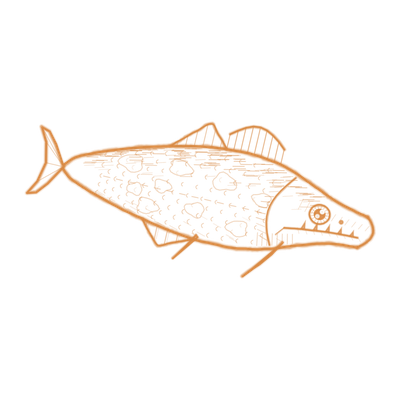
Walleye fishing in Canada
Sander vitreus
- Documented at
- 126,117 waters
- Primary species at
- 122,835 waters
- Ideal water temp
- 17.5°C
- Active range
- 13–20°C
Best walleye waters today
Scored for 2026-09-15 from live weather, water temperature and this species’ own thermal range.
- Étangs Sakuteyapiniu (Waskaganish)75
- Grand lac Amiskw (Wemindji)75
- Grand lac Kauschiskakamach (Waskaganish)75
- Deux lacs Faucon (La Tuque)73
- Étangs Upihkan (Waskaganish)73
- Deuxième lac Bull Rock (Kirkland Lake)72
- Deuxième lac Motard (Obedjiwan)72
- Étang Olive (Obedjiwan)72
- Grand lac de l'Enclume (Dolbeau)72
- Grand lac du Banc de Sable (Dolbeau)72
How to fish for walleye
Walleye have large, light-sensitive eyes that give them sharp low-light vision - the same trait behind their name (that eerie eye-shine) also explains why they feed most actively at dawn, dusk, and after dark, retreating to deeper, darker water on bright days. Jigging with a plain jighead tipped with a live minnow or leech is the classic, most consistent approach, especially worked slowly along bottom contours, drop-offs, and weed edges. Trolling crankbaits or spinner rigs (a string of beads and a blade ahead of a hook, tipped with a worm) covers water efficiently when fish are scattered. In stained or murky water, brighter jig colors (chartreuse, orange) and slightly noisier presentations help; in clear water, natural colors and a subtler touch work better. Walleye school by size and often relate tightly to structure - a rocky point, a sunken hump, or the edge of a river channel - so once you find fish, working that exact spot thoroughly usually beats covering more water. A falling barometer and light wind chop (a 'walleye chop') are both classic conditions anglers watch for.