 Old Lake Cottage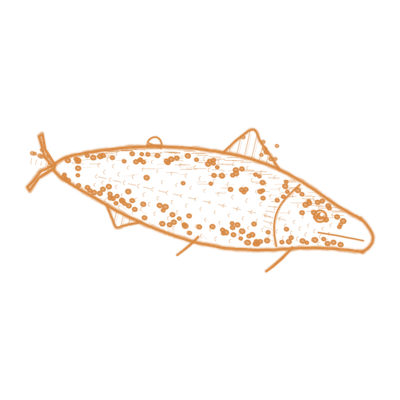
Rainbow Trout fishing in Canada
Oncorhynchus mykiss
- Documented at
- 26,964 waters
- Primary species at
- 19,408 waters
- Ideal water temp
- 13°C
- Active range
- 7–19°C
Best rainbow trout waters today
Scored for 2026-09-15 from live weather, water temperature and this species’ own thermal range.
- Alex Lake (Fairview)75
- Barber Lake (Fort McMurray)75
- Basset Lake (High Level)75
- Bison Lake (Manning)75
- Brainard Lake (Beaverlodge)75
- Burrison Lake (Fort Smith)75
- Chain Ponds (High Level)75
- Clyde Lake (Fairview)75
- Conibear Lake (Fort Smith)75
- Diaper Lakes (Fort McMurray)75
How to fish for rainbow trout
Rainbow trout feed heavily on aquatic insects, making fly fishing an especially effective and popular approach - matching whatever's actively hatching (the real logic behind 'matching the hatch') often outproduces guessing at random patterns. In lakes, trolling small spoons, spinners, or minnow-imitating plugs behind a flasher or dodger covers water efficiently when fish are scattered rather than rising. They tend to hold in faster, more oxygenated water than many other species, which is exactly why river mouths, inflows, and riffles are consistently productive spots on lakes with any moving-water connection. Light line and small, natural-looking presentations generally outproduce heavy tackle, since rainbows in clear water can be notably leader-shy. Early morning and evening remain the most reliable windows, especially in warmer months, since rainbows are considerably more temperature-sensitive than many warm-water species and become sluggish once water gets uncomfortably warm for them. Where stocking programs are active, fish congregate near recent stocking points for days afterward - genuinely useful local knowledge, though naturally-reproducing populations behave more like wild fish and relate more to real structure and current than to stocking history.