 Old Lake Cottage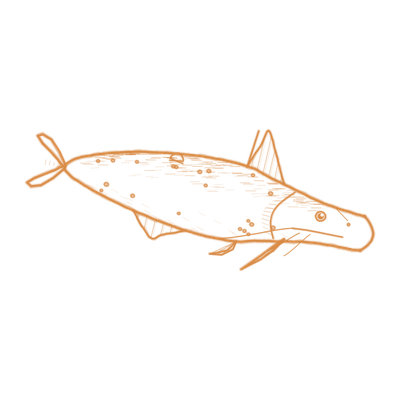
Channel Catfish fishing in Canada
Ictalurus punctatus
- Documented at
- 16,465 waters
- Primary species at
- 1 waters
- Ideal water temp
- 27°C
- Active range
- 18–29°C
Best channel catfish waters today
Scored for 2026-09-15 from live weather, water temperature and this species’ own thermal range.
- Alfred Moore Lake (Nelson House 170)74
- Awasawukaw Lake (Sandy Bay - Wapaskokimaw 202)74
- Bushell Lake (Sandy Bay - Wapaskokimaw 202)74
- Butt Lake (Arviat)74
- Cassells Lake (Nelson House 170)74
- Albert Taylor Lake (Nelson House 170)73
- Alexander Watt Lake (Arviat)73
- Ashton Lake (Nelson House 170)73
- Bagg Lake (Nelson House 170)73
- Bowton Lake (Arviat)73
How to fish for channel catfish
Channel catfish hunt primarily by smell and taste rather than sight, using sensitive barbels (the 'whiskers') to locate food - which is exactly why strong-scented bait (cut bait, chicken liver, commercial 'stink bait', or nightcrawlers) consistently outproduces the artificial lures that dominate bass or pike fishing. A simple bottom rig - a sliding sinker above a swivel and a leader to the hook - fished on bottom in deeper holes, along channel edges, or below riffles where current delivers scent downstream, is the standard, highly effective approach. Channel cats are considerably more active after dark than most species covered here, and many dedicated catfish anglers fish specifically through the evening and overnight for that reason. They tolerate warm, murkier water better than most gamefish, which is why they often remain catchable through summer heat that shuts down activity for cold- and cool-water species. Patience matters more here than with most species - once bait is out in a likely spot, leaving it in place for a real stretch of time (rather than casting frequently) usually outproduces constant re-casting, since it gives the fish time to find the scent trail and commit.